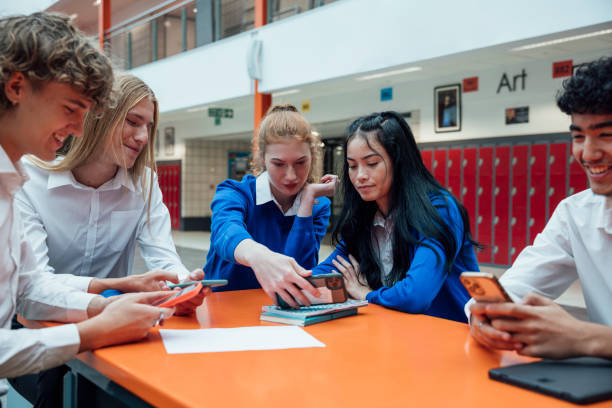
Education is one of the strongest foundations of a successful and progressive society. It gives individuals the knowledge, abilities, and confidence required to understand their surroundings and make informed decisions. In today's rapidly developing world, learning is no longer restricted to classrooms or traditional textbooks. Technological innovation, changing employment requirements, international communication, and social developments have transformed the way people acquire knowledge. Quality education prepares individuals to respond to these changes while encouraging personal growth, responsible citizenship, and meaningful participation in society.
Modern learners need educational experiences that go beyond memorising information and completing examinations. They require opportunities to develop communication, analytical reasoning, creativity, and practical expertise. Students studying subjects involving language, communication, and academic research may sometimes need professional linguistics homework help to understand complex theories, improve their research techniques, and organise coursework effectively. Access to appropriate learning resources, supportive teachers, and engaging educational environments can make a significant difference in academic development. Quality education helps individuals recognise their potential and prepares them to contribute positively to their communities.
Understanding the Meaning of Quality Education
Quality education refers to a learning experience that provides relevant knowledge, effective teaching, equal opportunities, and an environment where students can develop their abilities. It focuses on academic achievement while supporting intellectual, emotional, and social development.
A strong educational system should provide more than access to schools and universities. It must ensure that learners receive meaningful instruction and opportunities to apply their knowledge.
Important characteristics include:
· Qualified educators: Teachers with appropriate subject knowledge and effective teaching abilities.
· Updated learning materials: Educational resources that reflect current information and developments.
· Inclusive classrooms: Learning environments that respect different backgrounds and individual needs.
· Practical experiences: Activities that connect academic concepts with real-world situations.
· Fair assessment methods: Evaluation techniques that measure understanding and encourage improvement.
· Student support: Guidance that helps learners overcome academic difficulties.
These elements contribute to a balanced educational experience and support long-term development.
How Quality Education Supports Personal Development
Education influences how individuals understand themselves, interact with others, and approach everyday responsibilities. It encourages independent thinking and helps learners recognise their strengths and areas for improvement.
Through classroom activities, research projects, and collaborative experiences, students gradually develop confidence and become more comfortable expressing their opinions.
Quality learning contributes to personal development through:
· Improving communication and presentation abilities.
· Developing confidence when making decisions.
· Encouraging curiosity and independent exploration.
· Strengthening emotional awareness and social understanding.
· Teaching responsibility and self-discipline.
· Building resilience when facing academic challenges.
These qualities help individuals manage personal and professional situations more effectively.
The Role of Education in Economic Development
Education plays an important role in strengthening national economies. A knowledgeable population can contribute to innovation, productivity, entrepreneurship, and the development of specialised industries.
Businesses require employees who understand modern technologies, communicate effectively, and adapt to changing professional expectations. Educational institutions help prepare individuals for these responsibilities by providing relevant knowledge and practical training.
Quality education supports economic progress through:
· Developing skilled professionals for different industries.
· Encouraging entrepreneurship and business innovation.
· Improving workforce productivity.
· Supporting technological advancement.
· Creating opportunities for professional development.
· Reducing barriers to employment.
Countries that invest in accessible and effective education can strengthen their human resources and improve their long-term economic prospects.
Why Critical Thinking Is Essential in Modern Learning
Today's students encounter enormous amounts of information through websites, social media, digital publications, and educational platforms. However, not every source provides accurate or reliable information.
Quality education teaches learners how to examine evidence, identify misleading claims, and develop logical conclusions.
Critical thinking can be strengthened through:
· Comparing information from different academic sources.
· Participating in classroom debates and discussions.
· Examining evidence before accepting conclusions.
· Identifying assumptions within written arguments.
· Investigating different explanations for complicated issues.
· Supporting personal opinions with reliable research.
These abilities help students become independent thinkers who can make informed decisions in academic and everyday situations.
The Importance of Technology in Quality Education
Digital technology has transformed modern learning by providing access to educational resources beyond traditional classroom environments. Students can now attend virtual lectures, explore interactive lessons, access online libraries, and communicate with educators through digital platforms.
Technology also creates opportunities for personalised learning, allowing individuals to study at different speeds according to their requirements.
Important educational technologies include:
· Learning management systems: Organise lessons, assignments, and academic progress.
· Virtual classrooms: Connect teachers and students through online communication.
· Educational applications: Provide interactive exercises and revision activities.
· Digital libraries: Offer access to books, journals, and research publications.
· Simulation software: Demonstrates scientific and technical processes.
· Artificial intelligence tools: Support selected learning activities, explanations, and personalised practice.
Although digital resources offer significant advantages, students must use them responsibly and verify the accuracy of information.
Equal Educational Opportunities for Every Student
Quality education should be accessible regardless of a learner's financial situation, geographical location, gender, disability, or social background.
When educational opportunities are unequal, talented individuals may struggle to achieve their ambitions because of circumstances beyond their control.
Inclusive educational policies help reduce these barriers and create fairer learning environments.
Important measures include:
· Providing affordable educational programmes.
· Improving school facilities in underserved communities.
· Supporting learners with disabilities.
· Offering scholarships and financial assistance.
· Providing appropriate digital learning resources.
· Encouraging equal participation in academic activities.
Creating inclusive institutions allows more individuals to develop their abilities and contribute to society.
How Teachers Influence Educational Quality
Teachers have a direct influence on the learning experiences of students. Their knowledge, communication methods, classroom management, and ability to motivate learners can significantly affect academic progress.
An effective educator does more than explain textbook information. They encourage curiosity, provide constructive feedback, and help students understand challenging concepts.
Teachers can improve educational experiences by:
· Using practical examples during lessons.
· Encouraging students to ask questions.
· Providing individual guidance when necessary.
· Introducing collaborative learning activities.
· Recognising different learning preferences.
· Creating a respectful classroom environment.
Continuous professional development also helps educators remain familiar with modern teaching strategies and subject developments.
The Connection Between Education and Social Equality
Education can help reduce social inequalities by creating opportunities for individuals to improve their circumstances. Access to quality learning allows people to develop professional skills, understand their rights, and participate more confidently in community activities.
It also promotes awareness of social responsibilities and encourages respect for different perspectives.
Education contributes to stronger communities by:
· Promoting awareness of human rights.
· Encouraging respect for cultural diversity.
· Supporting informed participation in public discussions.
· Improving financial and digital literacy.
· Challenging harmful stereotypes and discrimination.
· Creating pathways towards better employment opportunities.
When educational opportunities become more accessible, communities gain greater potential for social progress.
Developing Skills for Future Employment
Modern employment environments are changing because of automation, digital transformation, international competition, and new business models. Students must therefore develop abilities that remain valuable across different industries.
Quality education helps learners prepare for professional responsibilities through academic knowledge and transferable skills.
Important workplace competencies include:
· Communication: Sharing information clearly with colleagues and customers.
· Teamwork: Cooperating with individuals who have different responsibilities.
· Adaptability: Responding positively to changing professional requirements.
· Problem-solving: Identifying challenges and developing practical solutions.
· Digital literacy: Using technology confidently and responsibly.
· Time management: Organising tasks and meeting professional deadlines.
These abilities help graduates transition from educational environments into employment.
Why Lifelong Learning Matters in Modern Society
Education should not end when individuals complete school, college, or university. Modern industries and social environments continue to change, making continuous learning increasingly important.
Lifelong learning allows individuals to update their knowledge, explore new interests, and remain prepared for emerging opportunities.
People can continue developing their abilities through:
· Professional certification programmes.
· Online courses and educational workshops.
· Reading academic journals and industry publications.
· Attending conferences and professional seminars.
· Participating in practical training activities.
· Learning new languages and digital skills.
Maintaining a learning mindset helps individuals remain knowledgeable and adaptable throughout their lives.
Challenges Affecting Quality Education Today
Despite improvements in educational systems, several challenges continue to affect learning opportunities around the world. These issues require attention from governments, institutions, teachers, families, and communities.
Some major concerns include:
· Limited funding for educational institutions.
· Shortages of trained teachers in certain regions.
· Unequal access to internet connectivity and technology.
· Overcrowded classrooms and inadequate facilities.
· Outdated teaching materials and assessment methods.
· Financial pressures that prevent students from continuing their studies.
Addressing these challenges requires long-term investment, effective policies, and cooperation between educational stakeholders.
Conclusion
Quality education is essential for building a knowledgeable, skilled, and responsible society. It supports personal development, strengthens economies, encourages social equality, and prepares individuals for changing professional environments. By combining effective teaching, modern technology, inclusive opportunities, and practical learning experiences, educational institutions can help students achieve their full potential. However, meaningful progress requires continuous investment and a commitment to improving learning standards. When individuals receive access to quality education, they gain the confidence and abilities needed to contribute positively to their communities and shape a better future.
 Venues