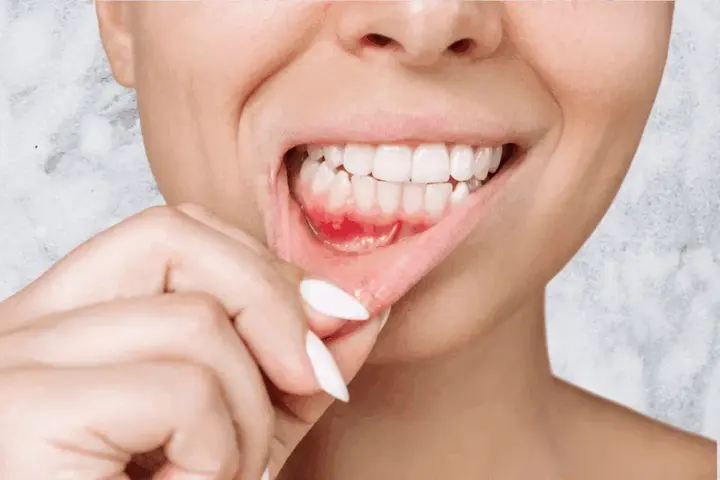
Seeing a dark red bubble inside your mouth can feel strange. It can show up fast. It may look serious. But in many cases, it does not hurt at all. That is why so many people get worried when they notice a Blood Blister In Mouth and have no idea what caused it.
The good news is this. Most mouth blood blisters are harmless. They often happen after small trauma, like biting your cheek or eating hard food. Sometimes, they can be linked to irritation, stress, or a condition that affects the soft tissues in your mouth. In this blog, we’ll break down what these blisters are, why they may not hurt, when you should pay attention, and what you can do next. If you live in Houston, this guide can help you know when it is time to get dental advice.
What Is a Blood Blister in the Mouth?
A blood blister in the mouth is a small, raised bubble filled with blood instead of clear fluid. It can appear on the inside of the cheek, lips, tongue, gums, or roof of the mouth. The color is often dark red, purple, or even blackish.
It forms when a tiny blood vessel breaks under the soft tissue. Blood then gets trapped under the surface. This creates the blister-like bump you see.
A lot of people confuse this with a canker sore. But they are not the same. A canker sore is usually white, yellow, or red and often hurts. A blood blister looks darker and may not cause pain at all.
Why It May Not Hurt
This part surprises most people. If it looks dramatic, why does it not hurt?
The answer is simple. Not every spot in your mouth reacts the same way. Some areas have fewer pain-sensitive nerve endings. Also, if the blister forms from mild trauma and does not press on nearby tissue, you may barely feel it.
That is why a painless blood blister inside the cheek can appear out of nowhere and seem worse than it feels. It may only bother you when you eat, talk, or touch it with your tongue.
Common Causes of Mouth Blood Blisters
There is no single cause. A few common things can trigger them.
Accidental Biting or Minor Trauma
This is one of the top reasons. You may bite your cheek while chewing. You may eat something sharp, hot, or crunchy. Chips, crusty bread, and hard candy can all irritate the soft tissue in your mouth.
Even if you do not remember the exact moment, small trauma can be enough to cause a blister.
Dental Appliances or Rough Surfaces
Braces, dentures, retainers, or rough tooth edges can rub against the inside of your mouth. Repeated friction can damage tiny blood vessels.
If this keeps happening, it is worth having your bite and dental appliances checked at a Family dental clinic Houston patients trust for routine oral care.
Angina Bullosa Hemorrhagica
This long name sounds scary, but the condition is usually benign. Angina bullosa hemorrhagica, often called ABH, causes sudden blood-filled blisters in the mouth. These blisters often appear on the soft palate, but they can show up elsewhere too.
They usually happen during eating and often burst on their own. Many cases are painless or only mildly uncomfortable. ABH is more common in middle-aged and older adults.
Hot Foods and Irritation
Burning your mouth with pizza, coffee, or soup can damage the tissue. Sometimes, instead of a plain sore, a blood blister forms. The roof of the mouth is a common spot for this.
Stress or Tissue Fragility
Stress does not directly cause every mouth issue, but it can play a part. It may lead to clenching, cheek biting, or more inflammation in the body. Some people also have delicate oral tissues that bruise more easily.
This is one reason a sudden blood blister in mouth no pain can seem to appear with no warning.
Are Blood Blisters Dangerous?
Most of the time, no. A single blood blister that goes away on its own is usually not dangerous.
Still, there are times when you should not ignore it. Watch for these signs:
It Keeps Coming Back
If you get repeated blisters in the same area, something may be irritating your mouth. It could be a dental issue, friction, or a health condition that needs attention.
It Lasts Too Long
Many blood blisters heal within a few days to two weeks. If yours stays longer, gets larger, or looks unusual, it should be checked.
You Have Other Symptoms
If the blister comes with bleeding, fever, severe pain, swelling, trouble swallowing, or many other mouth sores, see a dentist or doctor soon.
People in Houston who notice recurring mouth changes should not wait too long. Oral symptoms can sometimes point to a bigger issue.
How to Treat a Blood Blister in the Mouth
Most blood blisters do not need special treatment. Your mouth often heals on its own.
Leave It Alone
Do not pop it. That can slow healing and raise the risk of infection. It may burst naturally, and that is usually fine. Just keep the area clean.
Rinse Gently
Warm salt water can help soothe the mouth. Mix a little salt in warm water and swish gently once or twice a day.
Avoid Irritating Foods
Skip spicy foods, sharp snacks, and very hot drinks for a few days. Soft foods are easier on the tissue while it heals.
Keep Up Oral Hygiene
Brush gently and keep your mouth clean. Good oral care helps prevent extra irritation and lowers the risk of infection.
If a sharp tooth, denture edge, or bite problem caused the issue, a visit to a Family dental clinic Houston locals rely on can help fix the source.
How to Prevent Future Blood Blisters
You cannot prevent every case, but you can lower the chances.
Chew Slowly
A rushed meal can lead to cheek bites. Slow down a bit, especially if you often bite the inside of your mouth.
Watch Very Hot or Sharp Foods
Let hot food cool. Be careful with crunchy foods that can scrape delicate tissue.
Fix Dental Irritation
If you feel rubbing from a retainer, denture, or broken tooth, get it checked. Constant friction will not go away on its own.
Pay Attention to Repeat Episodes
If blood blisters happen often, keep track of when they show up. That pattern can help your dentist figure out the cause.
If you are in Houston and want a closer look at recurring oral issues, smile4ever family dentistry may be able to help you understand what is going on.
When You Should See a Dentist
A one-time blister is often harmless. But if it keeps coming back, bleeds a lot, grows fast, or does not heal, book an exam.
This matters even more if you have diabetes, a bleeding disorder, or take blood-thinning medicine. Those factors can affect healing and make oral changes more important.
A dentist can check whether the spot is truly a blister or something else. That peace of mind matters. And if you live in Houston, getting checked early can save you stress later.
Final Thoughts
A blood blister in your mouth can look alarming, especially when it shows up out of nowhere. But many of these spots are caused by simple things like biting your cheek, irritation, or hot food. A Blood Blister In Mouth that does not hurt is often not serious.
Still, pay attention to your body. If you notice a painless blood blister inside cheek, or a sudden blood blister in mouth no pain that keeps returning, do not brush it off. A quick dental visit can help rule out anything serious and get you the right advice.
FAQs
Why did a mouth blood blister appear overnight?
A blood blister can form fast after cheek biting, hot food, or friction from teeth or dental appliances. You may not notice the injury when it happens, so it can seem like it appeared for no reason.
Should I pop a blood blister in mouth?
No, it is best not to pop it. Opening the blister can irritate the area more and may raise the risk of infection. Most mouth blood blisters heal on their own with gentle care and time.
When should I worry about mouth blood blisters?
You should get it checked if it keeps coming back, lasts more than two weeks, grows larger, or comes with pain, fever, or trouble swallowing. Repeated blisters may need a dental or medical evaluation.
 Venues