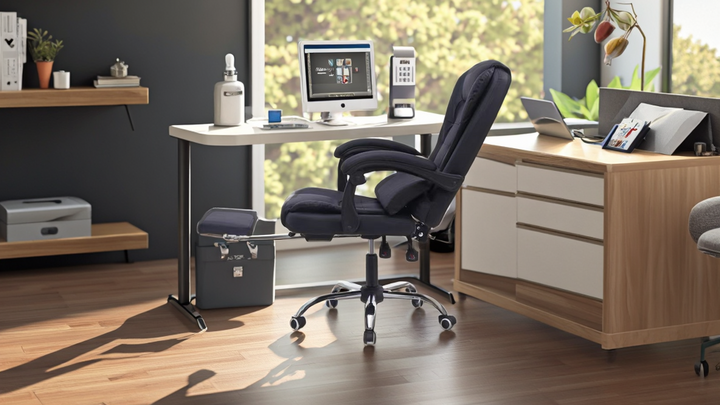
A well-planned Office table can influence how employees work, communicate, organize documents, and manage their daily responsibilities. The right table is more than a surface for a computer and paperwork. It can become an important part of an efficient office layout by providing adequate workspace, supporting comfortable posture, and helping employees keep essential items within reach. Businesses in Manila, Quezon City, and other parts of the Philippines are increasingly looking for practical office furniture that combines durability, functionality, and an appealing appearance. Choosing the right table design therefore requires attention to workspace size, employee needs, storage requirements, materials, and the overall office environment.
Choosing the Right Office Table for Your Workspace
Every workplace has different requirements, so there is no single table design that works for every office. A small startup may need compact desks that maximize limited floor space, while a corporate office may require larger executive tables, meeting tables, or workstations for multiple employees. Before purchasing furniture, consider how the space will be used throughout the day. Employees who work with computers may need enough depth for monitors, keyboards, documents, and other equipment. Teams that collaborate frequently may benefit from shared workstations or larger tables that encourage communication.
The size of the room should also influence the selection. A large table placed in a small office can make movement difficult and create a crowded appearance. On the other hand, very small desks in a spacious office may leave employees without enough room to work comfortably. Taking accurate measurements before purchasing furniture can help businesses maintain practical walking areas while making the best use of available floor space.
Office Table Designs for Different Work Styles
Modern workplaces include employees with different roles, and their furniture needs can vary considerably. A standard rectangular desk can work well for administrative tasks, customer service, accounting, and general computer-based work. Executive tables usually provide a larger surface and a more formal appearance, making them suitable for private offices and management areas. Compact desks can be useful in smaller offices where floor space is limited.
For collaborative environments, workstation configurations can support several employees while maintaining individual working areas. L-shaped designs can provide additional surface space without requiring a completely separate table. They can be particularly useful for professionals who regularly work with multiple screens, paperwork, or reference materials.
Meeting tables serve another purpose. They provide a dedicated space for discussions, presentations, interviews, and team planning. Depending on the size of the organization, businesses can select rectangular, round, boat-shaped, or modular designs. The best choice depends on the number of participants and the available room.
Materials That Affect Durability and Appearance
The material of an office table affects its durability, maintenance requirements, appearance, and overall value. Engineered wood and laminated surfaces are common choices because they can offer a practical balance between appearance and everyday usability. Laminate finishes are available in various colors and patterns, allowing businesses to coordinate furniture with their branding or interior design.
Metal frames can provide additional structural support, especially for furniture designed for frequent use. Wood-based finishes can create a warm and professional atmosphere, while minimalist designs with neutral surfaces may suit contemporary offices. When selecting materials, businesses should consider more than appearance. Daily usage, cleaning requirements, moisture exposure, and the number of employees using the furniture should all be considered.
Quality construction is equally important. Strong joints, stable legs, reliable hardware, and scratch-resistant surfaces can help furniture remain functional for longer. A durable table may have a higher initial cost than a basic alternative, but its longevity can make it a practical investment for a busy workplace.
Office Table Placement and Space Planning
Furniture placement plays an important role in creating a comfortable office. Even a high-quality desk can become inconvenient when positioned incorrectly. Employees should have enough space to sit down, stand up, move around, and access nearby storage without obstruction. Doors, windows, electrical outlets, lighting, and walkways should be considered when arranging furniture.
Natural light can also influence desk placement. Positioning workstations where employees can benefit from daylight may make the environment more pleasant, but computer screens should be positioned carefully to reduce glare. Artificial lighting should provide sufficient illumination for paperwork and computer tasks without creating uncomfortable reflections.
Businesses should also consider future growth. A layout that works for ten employees may become difficult when the team expands. Modular furniture and flexible workstation arrangements can make it easier to adjust the office without completely replacing existing furniture.
Ergonomics and Employee Comfort
Comfort should be a major consideration when selecting office furniture. Employees can spend many hours at their desks, so the furniture should support a practical working posture. The desk height should work well with the chair, while the available surface area should allow monitors and frequently used items to be positioned comfortably.
Monitor placement is another important consideration. A screen positioned at an unsuitable height or distance may encourage uncomfortable posture. Employees should have enough room to position their keyboard and mouse naturally while keeping essential documents nearby.
Ergonomic planning does not depend on the desk alone. Office chairs, monitor stands, keyboard placement, lighting, and storage should work together as part of the overall workstation. Businesses that consider these elements together can create a more functional and comfortable environment.
Storage Features That Improve Organization
A cluttered workspace can make routine tasks more difficult. Desks with integrated drawers, mobile pedestals, side storage, or nearby cabinets can help employees organize important materials. The amount of storage required depends on the employee's role.
For example, an employee who primarily works digitally may need limited storage, while an administrator or finance professional may handle numerous physical documents. Personal drawers can keep stationery and frequently used supplies accessible, while filing cabinets can accommodate larger document collections.
Cable management is another useful feature. Computers, monitors, chargers, and other devices can create tangled cables when they are not organized properly. Desks with cable ports or dedicated cable-management systems can create a cleaner working environment and make maintenance easier.
Matching Furniture With Office Interior Design
Office furniture contributes significantly to the visual character of a workplace. Businesses can select finishes that complement flooring, walls, lighting, reception areas, and existing furniture. Neutral colors can create a clean and professional appearance, while wood-inspired finishes can provide warmth.
A consistent furniture style can also help create a cohesive environment. Using different desk designs in every department may make an office feel disorganized unless there is a clear reason for the variation. Businesses can instead use a coordinated furniture collection while selecting different configurations for specific departments.
The reception area, executive office, meeting room, and employee workspace do not necessarily need identical furniture. However, maintaining similar finishes, materials, or design elements can create visual consistency throughout the workplace.
Buying Office Furniture for Philippine Businesses
Businesses in the Philippines should consider local workplace conditions when selecting office furniture. Manila and Quezon City offices may have different building layouts, floor areas, rental limitations, and workforce requirements. Furniture should therefore be selected according to the actual environment rather than based solely on appearance.
Businesses should also compare product dimensions, material specifications, construction quality, warranty information, delivery arrangements, and customization options before making a purchase. For larger office projects, it can be useful to prepare a furniture plan that identifies the number of employees, workstation dimensions, storage requirements, meeting spaces, and future expansion needs.
For companies furnishing an entire office, buying coordinated furniture can also make installation and layout planning easier. A supplier that understands commercial workspace requirements may help businesses identify suitable configurations based on the available space.
Maintaining Office Furniture for Long-Term Use
Regular maintenance can help office furniture retain its appearance and functionality. Surfaces should be cleaned according to the manufacturer's recommendations, while spills should be addressed promptly. Excessive moisture and harsh cleaning chemicals may damage certain finishes.
Loose screws, unstable legs, damaged drawer hardware, or worn components should be checked periodically. Addressing minor issues early can prevent them from becoming larger problems. Employees should also avoid placing excessive weight on surfaces that are not designed to support heavy loads.
Good maintenance is particularly important in busy offices where furniture is used continuously. A simple cleaning and inspection routine can contribute to a more organized and professional workplace.
FAQs About Office Tables
What size office table should I choose?
Choose a size that provides enough working space while leaving comfortable walking and seating areas around it. Room dimensions and employee tasks should guide the decision.
Which material is suitable for office furniture?
Laminated engineered wood, solid wood, and metal-based designs can all be suitable. The best material depends on durability requirements, budget, maintenance, and office style.
Are L-shaped tables useful for offices?
Yes. L-shaped designs can provide additional workspace while making efficient use of corners, especially for employees who manage multiple devices or documents.
How can I keep office tables organized?
Use drawers, pedestals, storage cabinets, cable-management features, and simple desk organization systems to keep frequently used items accessible without creating clutter.
Should office furniture match the company interior?
A coordinated furniture style can create a more professional and visually consistent environment. Finishes and colors can be selected to complement the existing office design.
Conclusion
Selecting the right office furniture requires more than choosing an attractive design. Businesses should consider workspace dimensions, employee responsibilities, ergonomics, storage, durability, maintenance, and future growth. A thoughtfully selected Office table can support daily productivity while contributing to a comfortable and organized workplace. From compact desks for smaller offices to executive tables and collaborative workstations, businesses can choose configurations that match their operational needs. Companies planning a new workspace or upgrading an existing one can explore practical furniture solutions from Modern desks and office cubicles while considering the specific requirements of their office environment.
 Venues