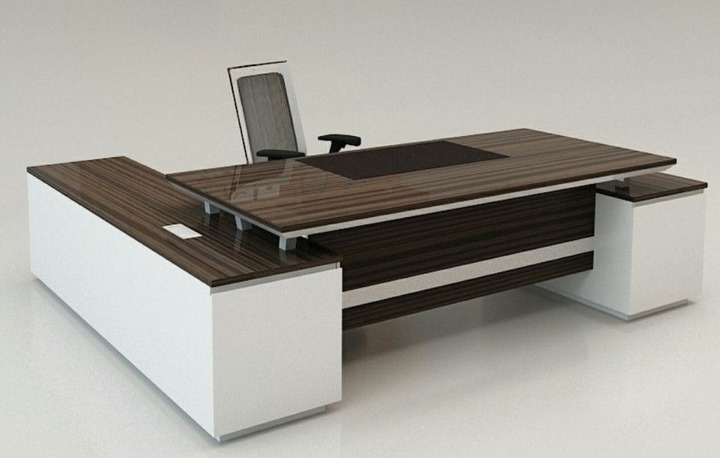
A successful workplace should make everyday tasks easier, more comfortable, and more organized. Office Furniture is an important part of that process because desks, chairs, storage units, tables, cabinets, and collaborative pieces directly affect how people use their surroundings. A thoughtfully furnished office can provide dedicated areas for focused work, meetings, teamwork, administration, and customer interaction. Businesses in the Philippines have different workplace requirements, so furniture should be selected according to the size of the office, number of employees, type of work, and available budget. Rather than filling a room with attractive pieces, businesses should develop a practical layout that supports the way employees actually work.
Good workplace planning starts by identifying the activities that take place throughout the day. Employees who spend most of their time using computers need suitable desks and supportive chairs. Teams that frequently collaborate may benefit from shared workstations and meeting tables. Reception areas require welcoming furniture, while management offices may need larger desks and additional storage. When every area has a clear purpose, it becomes easier to select suitable furniture and avoid wasting valuable floor space.
Selecting the Right Workstation Design
Workstations form the foundation of many modern offices. The right design should give employees enough room for their computers, documents, accessories, and personal items while leaving sufficient space for comfortable movement. Straight desks are useful for conventional workstations, while corner desks can make better use of unused areas. L-shaped designs can provide separate surfaces for computer work and paperwork without requiring multiple desks.
Businesses with larger teams can consider workstation clusters that allow several employees to work within the same area. These arrangements can encourage communication while keeping individual workspaces clearly defined. Desk placement should also take natural lighting, electrical access, walkways, and storage into account. A well-planned workstation arrangement can make an office feel more spacious and reduce unnecessary movement during the working day.
Improving Comfort With Suitable Office Chairs
Employees can spend many hours sitting at their desks, which makes chair selection an important part of workplace planning. A suitable chair should provide comfortable support and allow users to adjust the seating position according to their individual requirements. Features such as adjustable height, supportive backrests, suitable seat depth, armrests, and smooth mobility can make everyday work more comfortable.
Different workplace zones may require different seating solutions. Employees can use task chairs at their workstations, while managers may prefer executive-style seating in private offices. Visitor chairs can provide practical seating in reception areas, and meeting chairs can be selected for conference rooms. Lounge chairs can also create informal spaces where employees can have short conversations away from their main workstations.
Creating Functional Work Zones
An effective office layout should separate different types of activities without making the workplace feel disconnected. Employees who need quiet areas for concentration should have access to work zones with fewer distractions. Collaborative teams can use shared areas where discussion and brainstorming are encouraged. Meeting rooms should be positioned so conversations do not unnecessarily disturb employees working nearby.
Partitions and office screens can help create boundaries within open layouts. Modular furniture can also allow businesses to change the arrangement when departments grow or responsibilities change. This flexibility is especially useful for companies that expect changes in staffing levels or working patterns. A workplace should not be designed only for today's requirements; it should also have enough flexibility to accommodate future needs.
Organizing Documents and Workplace Supplies
Storage is often overlooked during office planning, yet it can have a major effect on organization. Files, stationery, equipment, cleaning supplies, and personal belongings all need suitable storage areas. Without enough storage, employees may leave documents and supplies on desks, creating unnecessary clutter.
Filing cabinets can provide organized document storage, while mobile pedestals can keep frequently used items close to employees. Side cabinets can work well beside desks or along office walls. Lockers can provide individual storage for staff members, particularly in shared workplaces. Open shelving can also be useful for materials that employees need to access regularly.
Storage should be positioned according to frequency of use. Items that employees access every day should be within easy reach, while archived materials can be stored in less prominent areas. This approach can improve organization without taking unnecessary space away from workstations.
Choosing Tables for Meetings and Teamwork
Meeting tables are central to many business activities, including presentations, interviews, planning sessions, training, and client discussions. The table size should match the number of people who normally use the room. Choosing a table that is too large can make a small room feel crowded, while a table that is too small may provide insufficient working space.
Rectangular meeting tables are suitable for formal conference rooms, while round designs can encourage more balanced interaction among participants. Modular tables offer another practical option because they can be rearranged for different activities. Businesses that frequently host training sessions or workshops may benefit from flexible tables that can be separated or combined according to the occasion.
Developing an Attractive Reception Area
A reception area should combine appearance, comfort, and practical movement. Visitors should be able to enter the office easily, approach the reception desk, and find comfortable seating without navigating around unnecessary obstacles. The reception desk should provide enough room for administrative tasks while maintaining a professional appearance.
Visitor seating should complement the size of the waiting area. If the space is compact, streamlined chairs can provide comfortable seating without making the entrance feel crowded. Larger offices can include sofas, side tables, and additional seating arrangements. Colors, finishes, and materials can also be selected to create a consistent visual identity throughout the workplace.
Considering Materials Before Purchasing
The material used in workplace furniture affects its appearance, maintenance requirements, durability, and overall value. Desks with durable laminate surfaces can be practical for busy work environments, while metal components can provide structural strength. Engineered wood can offer a range of finishes and designs, while glass elements can create a lighter visual appearance.
Businesses should consider how frequently each piece will be used before choosing materials. Furniture placed in high-traffic areas should be capable of handling regular use and cleaning. Selecting durable construction can reduce the need for frequent repairs and replacements. It is also useful to examine hardware, drawer mechanisms, frame construction, surface quality, and warranty information before making a purchase.
Matching Furniture With Office Style
The appearance of a workplace can influence how employees and visitors experience the environment. However, style should always work alongside functionality. A visually appealing desk that does not provide sufficient workspace may create frustration, while an attractive chair without adequate support may not be suitable for daily use.
Businesses can create a professional appearance by using consistent finishes and complementary designs throughout different areas. Reception furniture, workstations, meeting tables, and storage units do not have to look identical, but they should work together visually. Neutral finishes can create a clean foundation, while selected accent elements can add personality without overwhelming the office.
Planning Furniture Around Business Growth
Furniture requirements can change as a company expands. A startup with a small team may initially need only a few workstations, but additional employees may require more desks, chairs, storage, and meeting areas later. Modular systems can make future expansion easier because additional components can often be incorporated into an existing layout.
Businesses should also consider how easily furniture can be relocated. Mobile pedestals, movable tables, and modular workstations can provide useful flexibility when departments move or office layouts change. Planning for growth can prevent businesses from replacing large quantities of furniture every time their operational requirements change.
Making Practical Purchasing Decisions
Price should be considered alongside durability, usability, maintenance, and expected lifespan. The least expensive option may not provide the best long-term value if it needs frequent repairs or replacement. At the same time, expensive furniture is not automatically the right choice for every workplace.
Businesses can create a purchasing plan by identifying essential furniture first. Employee workstations, chairs, storage, meeting furniture, and reception pieces can be prioritized according to operational requirements. Measurements should be taken before ordering furniture to ensure that products fit through entrances and into their intended areas. This simple step can help avoid costly layout problems.
Supporting a More Sustainable Workplace
Sustainability can also be included in furniture planning. Businesses can look for durable products that remain useful for many years instead of frequently replacing lower-quality items. Furniture with modular components may be easier to repair, reconfigure, or expand.
Responsible purchasing can also involve selecting materials that are practical to maintain and considering what happens to furniture at the end of its useful life. Reusing, repairing, refurbishing, or recycling suitable furniture can reduce unnecessary waste and support more responsible workplace management.
Building a Workplace That Works
The right Office Furniture should support employees rather than simply occupy available space. Businesses should consider comfort, workflow, storage, collaboration, appearance, durability, and future expansion when developing a workplace. A successful layout gives employees suitable areas for focused work while also providing spaces for communication, meetings, and relaxation.
From individual desks and ergonomic seating to conference tables, storage systems, reception counters, and flexible workstations, every element should have a clear role. Careful planning can help businesses create a workplace that looks professional while remaining practical throughout the working day. Companies researching reliable workplace solutions can also explore options from Office furniture express when comparing furniture choices. The most useful approach is to focus on the needs of employees and visitors first, then select furniture that supports those requirements for the long term.
 Venues