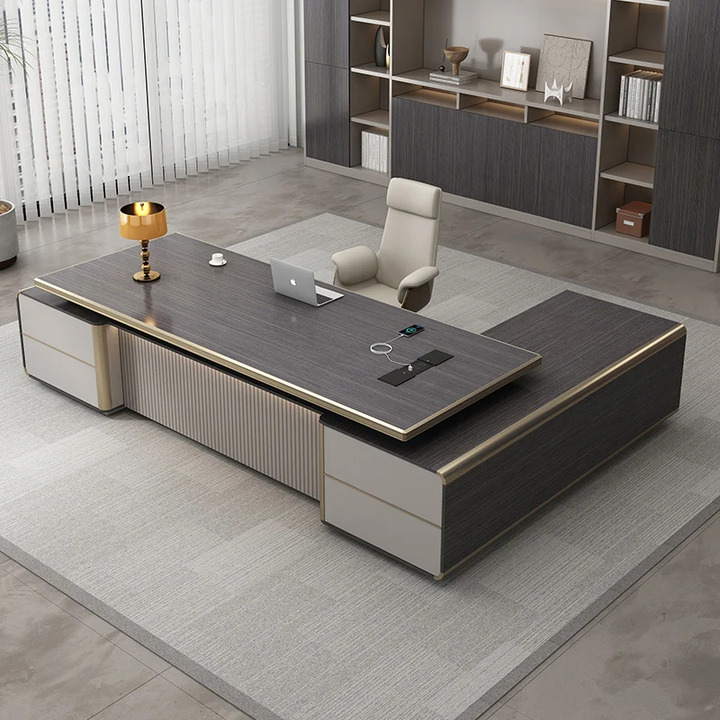
A productive workplace begins with an environment that supports the people using it every day. Office Furniture has a direct role in creating that environment because desks, chairs, storage units, workstations, and meeting tables determine how comfortably and efficiently employees can work. A good office layout should provide practical work areas while maintaining a clean and professional appearance. From a small startup to a large corporate workplace, furniture should be selected according to available space, daily activities, employee needs, and long-term business plans.
Understanding the Role of Workplace Furniture
Office furniture is more than a collection of desks and chairs. It contributes to the way employees interact with their surroundings and complete their daily responsibilities. A poorly arranged workplace can create unnecessary movement, limited storage, crowded pathways, and uncomfortable workstations. A carefully planned environment can make everyday activities more convenient and organized.
The furniture layout should reflect how a company operates. Employees who spend most of their time working independently may need quiet and well-defined workstations. Teams that communicate frequently may benefit from shared desks or collaborative areas. Managers and executives may require dedicated offices with larger work surfaces, while reception areas need furniture that creates a welcoming first impression.
The goal is to make every part of the workplace useful. Furniture should occupy space efficiently without making the room feel overcrowded. When each piece has a clear purpose, businesses can create a workspace that feels organized and easier to manage.
Selecting Desks According to Daily Tasks
The desk is one of the most frequently used pieces in any workplace. Employees need enough surface area for computers, documents, stationery, monitors, and other equipment. However, choosing a desk that is too large can waste valuable floor space.
Rectangular desks remain a practical choice for many offices because they can be positioned against walls or arranged in rows. L-shaped desks provide additional working space and can be particularly useful in corners. Compact desks are suitable for smaller offices where every square meter matters.
Businesses should also consider the type of work performed at each desk. An employee who works with multiple monitors may require more surface area than someone who primarily handles paperwork. Managers may need additional space for documents and short meetings. Adjustable desks can provide another level of flexibility by allowing users to change their working position during the day.
Making Employee Comfort a Priority
Comfort should be considered when planning any workplace. Employees who spend long periods at their desks need seating that supports their everyday working habits. An unsuitable chair can make a workstation uncomfortable and may affect how employees interact with their desks and computers.
Adjustable office chairs allow users to modify the seat height and other features according to their requirements. Back support, seat depth, armrests, and mobility can all influence the overall usability of a chair. The chair should also work well with the height of the desk so that employees can maintain a comfortable working position.
Different areas may require different seating solutions. Executive offices may use larger chairs, while meeting rooms may require compact visitor chairs. Reception areas can benefit from comfortable seating that gives guests a positive first impression.
Using Workstations to Organize Teams
Workstations can provide an efficient solution for businesses that need several employees to work within the same area. They create individual working spaces while allowing teams to remain connected. This arrangement can be useful in administrative departments, customer service environments, shared offices, and project-based workplaces.
Partitions can provide employees with a sense of personal space without completely isolating them from colleagues. The height and design of dividers can be selected according to the desired level of privacy.
Workstation planning should also include sufficient space for computers, personal items, storage, and cables. A workstation that looks neat but lacks practical storage can quickly become cluttered. Integrated cable management and under-desk storage can help maintain a cleaner working environment.
Improving Organization With Storage Solutions
An organized office requires more than attractive desks. Employees need convenient places to store documents, stationery, files, equipment, and personal belongings. Storage furniture can prevent work areas from becoming overloaded.
Filing cabinets are useful for paperwork, while cupboards and shelving can accommodate larger office supplies. Mobile pedestals can provide storage close to individual workstations. Lockable cabinets may be suitable for documents or equipment that require additional security.
Vertical storage can be especially valuable in smaller offices. Using wall height allows businesses to increase storage capacity without taking too much floor space. Storage should be positioned according to frequency of use so employees can access commonly required items without unnecessary movement.
Creating Functional Meeting Rooms
A meeting room should encourage communication while providing enough room for everyone to work comfortably. The table is usually the central feature, so its size should match the number of people who regularly attend meetings.
Small meeting rooms can use compact tables, while larger conference spaces may require longer tables with several seating positions. Round tables can work well for collaborative discussions because they create a more open arrangement.
Modern meetings also rely heavily on technology. Screens, laptops, video-conferencing systems, charging equipment, and power connections should be considered when planning the furniture arrangement. Cable access should be kept organized so that technology can be used without creating unnecessary clutter.
Designing a Professional Reception Area
The reception area is often the first physical part of a business that visitors experience. It should therefore combine functionality with a professional appearance. A reception desk should provide enough space for staff to work while allowing visitors to identify the reception point easily.
Comfortable visitor chairs can make waiting areas more pleasant. Storage should be incorporated where possible so that documents, supplies, and equipment remain out of sight. Lighting, furniture finishes, and the overall arrangement can be coordinated to create a consistent visual identity.
A reception area does not need to be excessive to appear professional. A clean layout, suitable furniture, organized surfaces, and comfortable seating can create an effective environment.
Making Better Use of Small Office Spaces
Small offices require careful furniture planning because there is less room for unnecessary items. Large desks, oversized cabinets, and excessive seating can quickly make a compact workplace feel restricted.
Space-saving furniture can help solve this problem. Compact desks, mobile storage, corner workstations, wall-mounted shelving, and multipurpose tables can make better use of limited space. Furniture with integrated storage can also reduce the need for separate cabinets.
The arrangement of furniture is just as important as the furniture itself. Clear pathways should remain available, doors should open without obstruction, and frequently used equipment should be easy to access. These details can make a small office feel considerably more functional.
Choosing Durable Materials
Durability is an important consideration for businesses because office furniture receives regular use. Desks and chairs may be used for many hours each day, while meeting tables and visitor seating can experience frequent movement.
Materials should be selected according to the environment. Surfaces that are easy to clean can be useful in busy offices. Strong frames can improve the lifespan of desks and tables, while durable upholstery can be beneficial for high-use seating.
Businesses should also consider maintenance requirements before making a purchase. Furniture that is simple to clean and maintain can save time over its working life. A consistent maintenance routine can also help preserve the appearance of the workplace.
Creating Flexible Office Layouts
Modern businesses may change their teams, departments, and working arrangements over time. Because of this, flexibility can be valuable when selecting furniture. Modular workstations, movable desks, mobile storage, and adaptable meeting tables can make future changes easier.
A flexible layout allows businesses to reorganize areas when teams expand or responsibilities change. Instead of replacing an entire setup, organizations may be able to move or reconfigure existing pieces.
Flexible furniture can also support different types of work. An open area may function as a collaborative space during the day and become a meeting or training area when required. This approach can help businesses gain more value from their available floor space.
Matching Furniture With Office Identity
Furniture contributes to the visual character of a workplace. A company may prefer a simple contemporary appearance, a traditional professional style, or a combination of different design elements.
Colors, materials, shapes, and finishes should work together rather than appearing randomly selected. A consistent furniture style can make different areas of an office feel connected.
However, appearance should always be balanced with practical requirements. Furniture should be comfortable, appropriately sized, easy to maintain, and suitable for the tasks performed in the space. Good design combines visual appeal with everyday usability.
Planning the Furniture Budget
A furniture budget should include both immediate and long-term considerations. The cheapest option may not necessarily provide the best value if it requires frequent repairs or replacement. Similarly, purchasing expensive furniture without considering actual workplace requirements can lead to unnecessary spending.
Businesses can begin by identifying essential requirements. Desks, chairs, storage, workstations, and meeting furniture may form the foundation of the budget. Additional decorative or specialized items can then be considered according to available resources.
It is also useful to consider the expected number of employees and potential future growth. Planning ahead can prevent businesses from repeatedly purchasing furniture as their workplace changes.
Building a More Effective Working Environment
A successful office is created through the combination of good planning, suitable furniture, and an understanding of employee requirements. Office Furniture should support the way people actually work rather than simply filling an empty room.
Before purchasing furniture, businesses should measure their available space, identify the needs of different departments, consider storage requirements, and plan movement through the workplace. They should also think about comfort, durability, maintenance, flexibility, and overall appearance.
When these factors are considered together, furniture can contribute to a workplace that feels organized and professional. Employees can have dedicated areas for focused work, teams can have spaces for collaboration, and visitors can experience a well-maintained environment from the moment they arrive.
Conclusion
Choosing suitable office furniture requires a balance between functionality, comfort, durability, available space, and visual appeal. Businesses can create better workplaces by selecting furniture based on real working requirements and planning the complete layout before making purchasing decisions. Whether the project involves a compact office or a larger corporate environment, thoughtful furniture selection can support organization and efficient daily operations. For additional design inspiration and workplace ideas, Queens arts and trends can be included in the research process when planning a professional office setting.
 Venues