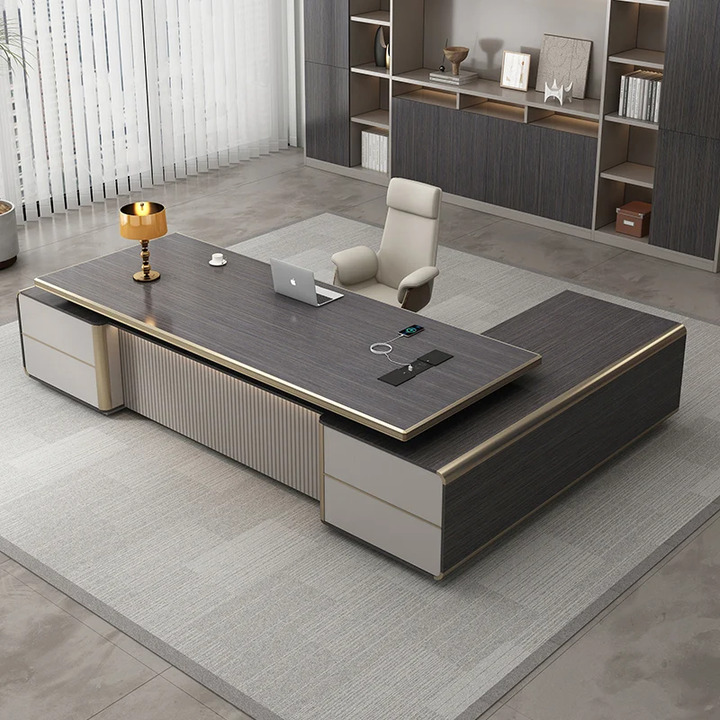
A well-planned workspace can influence comfort, organization, and the overall flow of a working day. Choosing the right Office table is an important part of creating a practical environment because the desk supports daily tasks such as writing, computer work, meetings, planning, and collaboration. Businesses in the Philippines are increasingly looking for furniture that combines useful features with a clean appearance, especially when setting up offices in Manila, Quezon City, and other growing business areas. The right desk should provide enough working space, suit the room layout, support good organization, and complement other office furniture without making the workspace feel crowded.
Choosing the Right Office Table for Daily Work
Every workplace has different requirements, so a single desk style may not suit every employee or department. Before selecting furniture, consider how the desk will be used throughout the day. An employee who spends most of the time working on a computer may need a spacious surface for a monitor, keyboard, documents, and accessories. A manager may require additional room for paperwork, meetings, and storage. Reception areas often need desks that provide a professional first impression while still offering practical workspace.
The available floor area should also influence the decision. Large offices can accommodate executive desks, workstation clusters, and meeting tables, while smaller rooms may benefit from compact rectangular or L-shaped options. Measuring the available area before purchasing furniture helps prevent problems with movement and accessibility. It is also useful to consider the position of doors, windows, storage cabinets, electrical outlets, and walkways when planning the layout.
Office Table Styles for Different Workspaces
Traditional rectangular desks remain popular because they are simple, flexible, and easy to position. They can work well in private offices, employee work areas, and shared spaces. L-shaped desks provide another practical option because they create separate areas for computer work, paperwork, or meetings. Their design can make better use of corners and may be particularly useful in offices where floor space needs to be managed carefully.
Executive desks generally provide a larger work surface and a more substantial appearance. They can be suitable for private offices, management areas, and spaces where meetings are occasionally held at the desk. Staff desks tend to focus on efficiency and everyday usability, while reception desks are designed to combine working space with a welcoming appearance.
For collaborative environments, modular workstation systems can make it easier to organize several employees in one area. These arrangements can support communication while giving each worker a defined personal space. Choosing the right style depends on the company's workflow, number of employees, available space, and preferred office layout.
Materials That Support Long-Term Office Use
The material of an office desk affects its appearance, durability, maintenance requirements, and overall value. Engineered wood and laminate surfaces are common choices because they can provide a professional appearance while being practical for everyday use. Wood-inspired finishes can also introduce warmth into an otherwise modern office environment.
Metal components may be used for frames, legs, brackets, and support structures. A combination of sturdy framing and a durable work surface can help furniture withstand regular use. When selecting materials, businesses should consider cleaning requirements, resistance to scratches, moisture exposure, and the type of equipment that will be placed on the surface.
Color and finish also matter. Neutral shades such as white, gray, black, and wood tones can work across different interior styles. A consistent furniture finish can create visual harmony when desks, cabinets, chairs, and storage units are purchased for the same office.
Ergonomics and Employee Comfort
Furniture should support comfortable working habits rather than simply filling available floor space. Desk height, legroom, monitor placement, chair compatibility, and surface depth all influence how comfortably employees can work. A desk should provide sufficient clearance for the user's legs and allow the chair to move naturally.
An adjustable-height desk can offer additional flexibility for employees who prefer to alternate between sitting and standing. However, traditional fixed-height furniture can still be effective when paired with an appropriate ergonomic chair and correctly positioned computer equipment.
The relationship between the desk and chair is particularly important. Employees should have enough room to position their arms comfortably while using a keyboard and mouse. Monitors should also be positioned in a way that reduces unnecessary neck movement. A well-planned workspace can support better organization and make long periods of computer work more manageable.
Smart Storage for Organized Work Areas
An effective workspace is easier to maintain when documents, stationery, cables, and equipment have designated places. Some desks include drawers, side storage, mobile pedestals, or built-in cable management features. These additions can help keep frequently used items within reach without overcrowding the main work surface.
Cable management is especially important in modern offices because employees may use computers, monitors, chargers, phones, printers, and other electronic devices. Cable ports and concealed cable channels can create a cleaner appearance and reduce loose wires around the workstation.
Storage should match the user's needs. Employees who work primarily with digital files may require less paper storage, while administrative teams may need additional drawers and filing solutions. Combining desks with cabinets and shelving can create a more organized office without placing unnecessary items on the work surface.
Office Table Planning for Manila and Quezon City Offices
Office furniture requirements can vary according to the type of business and available commercial space. Companies operating in Manila and Quezon City may work in compact offices, corporate buildings, coworking environments, educational facilities, healthcare settings, or larger commercial spaces. Each setting requires a different approach to furniture planning.
For smaller offices, space-efficient desk layouts can help maintain clear walkways and provide employees with adequate working areas. Larger corporate offices may benefit from workstation clusters, private executive areas, meeting tables, and dedicated collaboration zones. Startups may prefer flexible furniture that can adapt as teams expand, while established companies may focus on consistent designs across multiple departments.
Businesses should also consider future requirements. Buying furniture solely according to current staffing levels may create difficulties when the company expands. Modular solutions can provide greater flexibility because desks and workstations can sometimes be rearranged as teams and departments change.
Creating a Professional Office Appearance
Office furniture contributes to how clients, visitors, and employees perceive a business. A carefully coordinated workspace can communicate organization and professionalism without relying on excessive decoration. Consistent desk finishes, suitable office chairs, matching storage units, and thoughtful lighting can create a cohesive environment.
The design should also reflect the company's working culture. A formal corporate office may benefit from structured furniture arrangements and classic finishes, while a creative business may use flexible layouts, shared workspaces, and contemporary furniture. The goal is to create an environment that looks professional while remaining practical for everyday activities.
Furniture placement is just as important as furniture selection. Leaving sufficient walking space, maintaining clear access to storage, and avoiding overcrowded workstations can make an office feel more open. Natural light and appropriate task lighting should also be considered when arranging desks.
How to Select Furniture for Growing Businesses
Growing companies need furniture that can accommodate changing requirements. Before purchasing, businesses should estimate the number of employees who will use the workspace and consider possible expansion. Modular furniture can be useful because additional units may be added without completely redesigning the office.
Budget planning should include more than the initial purchase price. Businesses should consider durability, maintenance, replacement costs, delivery, installation, and the expected lifespan of the furniture. A low-cost option may not provide good value if it requires frequent replacement, while durable furniture can support long-term workplace planning.
It is also useful to compare dimensions, materials, storage features, warranty information, and customization options. Taking time to evaluate these details can help businesses choose furniture that meets both immediate and future requirements.
Maintaining Office Furniture for Longer Use
Regular maintenance can preserve the appearance and functionality of office furniture. Dust and surface dirt should be removed regularly using appropriate cleaning methods for the material. Spills should be cleaned promptly to reduce the risk of staining or surface damage.
Employees should avoid placing excessive weight on drawers, shelves, or desk surfaces beyond their intended capacity. Loose handles, fittings, and support components should be checked periodically. Addressing minor issues early can prevent them from becoming larger maintenance problems.
A clean and well-maintained desk also contributes to a more organized workplace. Simple habits such as clearing unnecessary paperwork, organizing cables, and keeping frequently used supplies accessible can make everyday work more efficient.
Frequently Asked Questions
What should I consider when buying an office desk?
Consider size, material, durability, storage, ergonomics, available floor space, and how the desk will be used daily.
Which desk style works well for small offices?
Compact rectangular desks and L-shaped desks can be practical choices when floor space needs to be used efficiently.
How can office desks improve workspace organization?
Desks with drawers, cable management, and compatible storage units can reduce clutter and keep essential items organized.
Are modular workstations suitable for growing companies?
Yes. Modular workstations can provide flexibility when employee numbers, departments, or office layouts change.
How often should office furniture be maintained?
Routine cleaning should be performed regularly, while hardware, fittings, and structural components can be inspected periodically.
Conclusion
Selecting suitable office furniture requires attention to workspace size, employee needs, durability, organization, ergonomics, and future growth. A carefully selected Office table can provide a reliable foundation for everyday work while supporting a professional and organized environment. Businesses can create more functional offices by combining practical desk designs with appropriate seating, storage, lighting, and thoughtful space planning. For companies looking for suitable solutions and design inspiration, Modern office table designs can help guide decisions that balance appearance, comfort, and workplace functionality.
 Venues