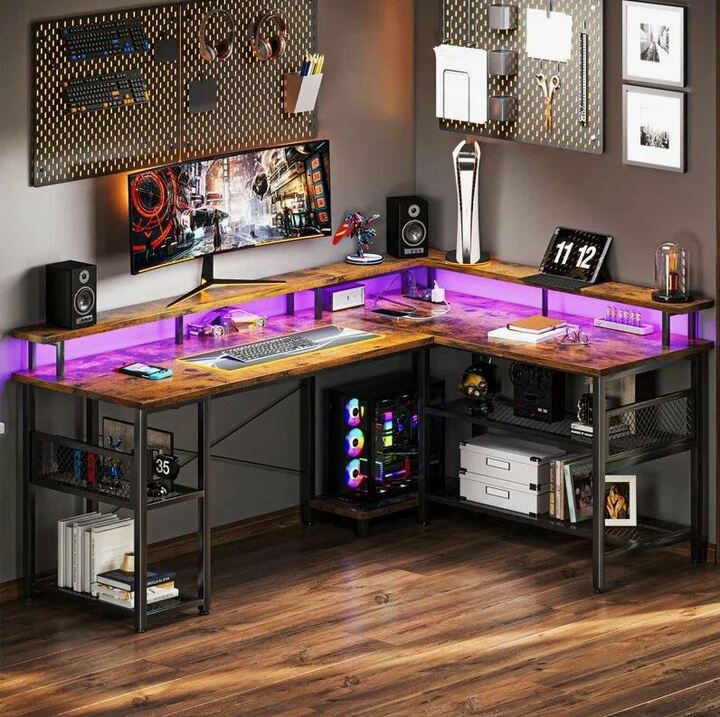
A productive workplace begins with an environment that supports concentration, communication, comfort, and efficient daily routines. Office furniture is a key part of that environment because every desk, chair, cabinet, workstation, and meeting table contributes to how people use the available space. Businesses need furniture that is practical enough for everyday operations while also creating a professional atmosphere for employees, visitors, and clients. Instead of choosing products only because they look attractive, organizations should consider workspace size, employee requirements, storage needs, movement, durability, and long-term flexibility. A carefully planned office can feel spacious, organized, and welcoming when each piece has a clear purpose.
Planning Furniture Around Workplace Activities
Every office has different working requirements. An accounting department may need individual desks, document storage, and filing solutions, while a creative team may require larger surfaces for collaborative projects. Reception areas have different needs from conference rooms, and executive offices often require a different combination of storage and workspace. Understanding these activities before purchasing furniture makes the planning process more effective.
Businesses should identify how employees spend most of their working hours and then select furniture accordingly. Employees who work primarily on computers may need spacious desks with effective cable management. Teams that frequently communicate may benefit from shared workstations or nearby collaboration areas. Private offices may require storage cabinets, executive desks, and visitor seating. By connecting furniture choices with actual work activities, companies can avoid wasting valuable floor space on unnecessary items.
Creating Comfortable Individual Workstations
A personal workstation should provide enough room for the equipment and materials an employee uses throughout the day. A desk that is too small can quickly become crowded with monitors, keyboards, documents, stationery, and personal items. On the other hand, an oversized desk can consume valuable floor space without providing meaningful benefits.
Workstation design should also allow employees to move naturally. There should be sufficient clearance around chairs and enough space for people to access storage without disturbing nearby colleagues. In open-plan environments, workstation placement can influence both communication and concentration. Businesses can use screens, partitions, or carefully arranged desks to create a reasonable balance between collaboration and individual focus.
Selecting Seating for Different Areas
Comfortable seating should be considered an essential part of workplace planning. Employees may spend long periods at their desks, so chairs should provide suitable support and allow useful adjustments. Features such as adjustable height, back support, armrests, and stable construction can make a chair more practical for regular use.
Different rooms may require different seating styles. Meeting rooms often need chairs that remain comfortable during discussions while maintaining a professional appearance. Reception areas should provide welcoming seating for visitors. Training rooms may require lightweight chairs that can be rearranged easily. Executive areas can use more substantial seating that complements the surrounding workspace.
Matching seating with desk height is also important. Employees should be able to work without awkward positioning of their arms, shoulders, or computer equipment. Testing furniture before making a large purchase can help businesses identify potential comfort issues.
Improving Storage and Workplace Organization
Good storage can make a significant difference to the appearance and functionality of an office. Documents, stationery, equipment, and personal belongings can quickly create clutter when there is no designated place for them. Cabinets, shelves, pedestals, cupboards, and filing units provide practical solutions for keeping essential materials organized.
Mobile pedestals can be placed near individual workstations for frequently used items, while larger cabinets can serve departments that handle substantial amounts of paperwork. Open shelving can provide quick access to materials, whereas closed cabinets can create a cleaner appearance by keeping items out of sight.
Storage should be positioned according to frequency of use. Items needed every day should remain easily accessible, while archived documents and rarely used supplies can be stored farther away. This simple approach can reduce unnecessary movement and make the workspace easier to maintain.
Using Space More Efficiently
Floor space should be treated as an important workplace resource. An office that contains too much furniture can feel restricted, even when every item serves a useful purpose. Planning the layout before purchasing products can help prevent this problem.
Measure the room carefully and consider doors, windows, columns, electrical outlets, and walking routes. Furniture should not obstruct entrances or create narrow passages. Employees should be able to move between workstations, meeting areas, storage zones, and shared facilities without difficulty.
Modular furniture can be useful for organizations that expect their requirements to change. Components can sometimes be rearranged as teams grow or office layouts are updated. This flexibility can make future changes easier and reduce the need to replace an entire furniture setup.
Designing Practical Meeting Areas
Meetings are an important part of many businesses, so conference areas should support clear communication. The size of a meeting table should reflect the number of participants who normally use the room. A small team may need only a compact table, while larger meetings require a more spacious arrangement.
The room should also provide enough space around the table for people to sit down and move comfortably. Electrical access can be useful for laptops and presentation equipment. If meetings frequently involve digital displays, the furniture arrangement should provide everyone with a clear view of the screen.
Flexible meeting furniture can also allow one room to serve several purposes. A space may function as a conference room in the morning and become a training or collaborative area later in the day.
Choosing Materials That Suit Daily Use
Appearance matters, but durability should remain a major consideration when selecting workplace products. Furniture receives regular use and may need to withstand frequent cleaning, movement, and changes in office arrangements. Strong frames, durable surfaces, quality hardware, and reliable construction can contribute to a longer service life.
Material selection should also reflect the environment. Laminate surfaces can be practical for many everyday work areas, while wood finishes can add warmth to executive or reception spaces. Metal components may provide strength, while glass elements can create a more open visual effect when used appropriately.
Businesses should also consider maintenance. Surfaces that are simple to clean can help staff maintain a professional environment with less effort. Before purchasing, it is useful to check product specifications, warranties, maintenance requirements, and replacement options.
Balancing Professional Appearance With Function
An office should represent the character of the organization while remaining practical for employees. Coordinated furniture can create a more consistent appearance throughout the workplace. Similar finishes, complementary colors, and matching design elements can help different areas feel connected.
The reception area deserves particular attention because it is often one of the first spaces visitors see. A well-organized reception desk, comfortable visitor seating, appropriate storage, and uncluttered surroundings can create a polished environment. Meeting rooms should also reflect the company's professional standards because clients and business partners may spend considerable time there.
However, appearance should not replace usability. Furniture that looks impressive but provides insufficient storage, uncomfortable seating, or poor workspace functionality may create problems over time. The most effective planning combines visual appeal with everyday practicality.
Considering Technology When Buying Furniture
Technology has become central to modern office operations, making technology-friendly furniture increasingly important. Employees may use multiple monitors, laptops, docking stations, charging devices, printers, and other equipment. Desks should therefore provide enough surface area and appropriate cable management.
Cable routing can help keep wires organized and reduce visual clutter. Meeting tables may benefit from convenient access to power connections, particularly when employees regularly bring laptops into meetings. Shared work areas should also provide enough space for different devices without making the workspace feel crowded.
As technology changes, furniture should offer enough flexibility to accommodate new equipment. Businesses can reduce future disruption by considering adaptability at the time of purchase.
Planning for Business Growth
Furniture requirements can change as a company expands. Additional employees may require new workstations, chairs, storage, and meeting facilities. A rigid layout can make expansion difficult, while a flexible system may allow the workplace to grow more smoothly.
Companies should think beyond immediate needs and consider potential staffing changes. Modular desks, movable storage, adaptable meeting tables, and reconfigurable workstations can provide useful flexibility. This approach can make future office adjustments less complicated.
It is also helpful to maintain a consistent furniture style when expanding. New additions that complement existing pieces can keep the workplace visually organized rather than creating an assortment of unrelated designs.
Making a Practical Purchasing Decision
Before placing an order, businesses should create a clear checklist covering dimensions, quantity, materials, comfort, storage, functionality, maintenance, and budget. Comparing these factors makes it easier to identify furniture that offers genuine value.
It is also important to consider the people who will use the workspace. Employees can provide useful feedback about desk sizes, seating preferences, storage requirements, and common workplace challenges. Involving staff in the planning process can help organizations select furniture that responds to real working conditions.
A thoughtful purchasing strategy can prevent common problems such as insufficient storage, unsuitable desk sizes, overcrowded layouts, and inconsistent furniture styles. The goal should be to create a workplace that remains functional and comfortable as everyday needs evolve.
Conclusion
A successful workplace depends on thoughtful planning, and Office furniture should be selected as part of the overall office strategy rather than as separate individual purchases. Desks, chairs, storage systems, meeting tables, and workstations should work together to support comfort, organization, communication, and efficient use of space. Businesses can create a stronger working environment by evaluating their current requirements, considering future growth, and choosing durable products that match their daily activities. For businesses exploring workplace design and furniture ideas, Queens arts and trends can also provide useful inspiration when developing a practical and professional office environment.
 Venues